 ChargedTrail
Velowave Ebike Review 2026: Which Model Is Worth It?
Is Velowave a good ebike brand? We compared the full 2026 lineup, warranty and return terms, and independent reviews to find which model is worth it.
- Official specs checked against manufacturer pages
- Independent reviews and owner feedback checked
- 13 sources listed at the end
We don't accept payment for rankings. We may earn a commission when you buy through our links.Our process
Our Top Picks
Prices checked November 22, 2026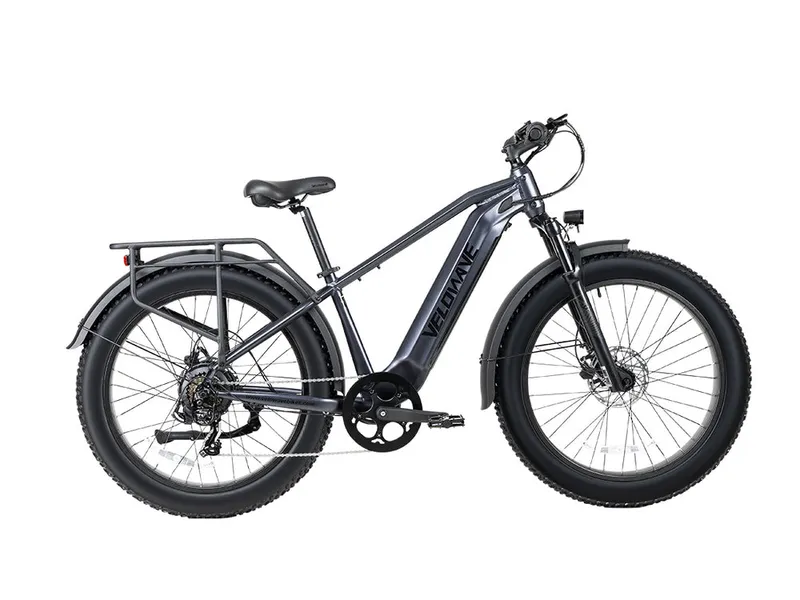 Best OverallVelowave Ranger 3.0Fat-tire all-rounder with a torque sensor, 720 Wh battery and hydraulic brakes.$1,399Check price
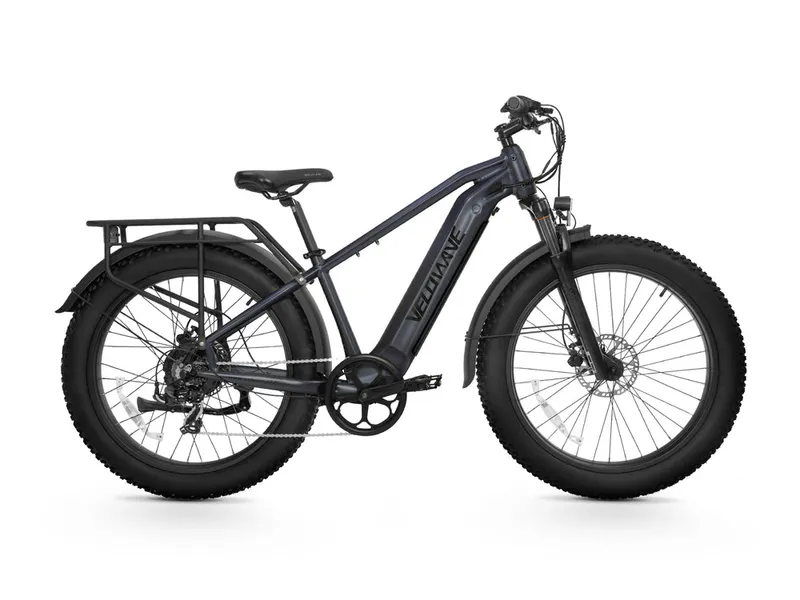 Best ValueVelowave Ranger 2.0Same battery and frame as the 3.0, usually about $100 less, and about 10 lb lighter.$1,299Check price
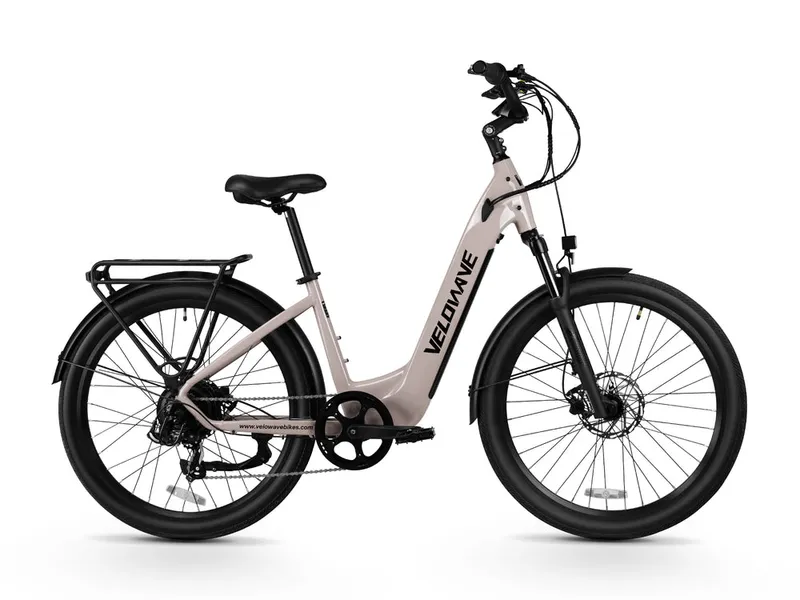 Best for CommutingVelowave Breeze TLightest pick at 66 lb, with a torque sensor and faster-rolling 27.5" tires.$1,299Check price
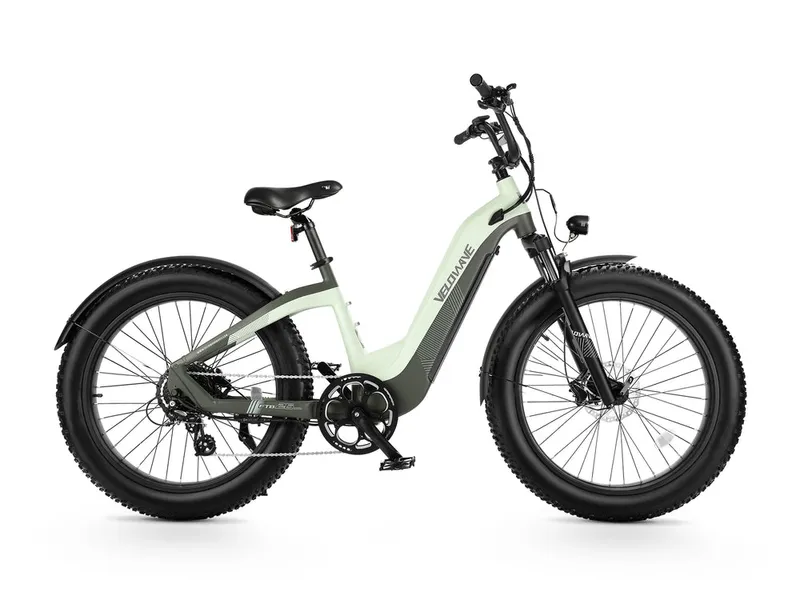 Most RangeVelowave Grace 2.0Step-through fat tire bike with the biggest battery in the lineup (960 Wh).$1,499Check price
In this article
- Our Top Picks
- Compare at a Glance
- The Velowave lineup at a glance
- Velowave Ranger 3.0: Best Overall
- Velowave Ranger 2.0: Best Value
- Velowave Breeze T: Best for Commuting
- Velowave Grace 2.0: Most Range
- Assembly: what to expect
- What owners and reviewers say
- Warranty, returns and shipping: read this before you buy
- Which Velowave should you buy?
- FAQ
Compare at a Glance
| Best Overall Velowave Ranger 3.0 | Best Value Velowave Ranger 2.0 | Best for Commuting Velowave Breeze T | Most Range Velowave Grace 2.0 | |
|---|---|---|---|---|
| Price | $1,399 | $1,299 | $1,299 | $1,499 |
| Battery | 720 Wh | 720 Wh | 720 Wh | 960 Wh |
| Motor | 750 W (1,000 W peak) | 750 W (1,200 W peak) | 500 W (960 W peak) | 750 W (1,000 W peak) |
| Sensor | Torque | Cadence | Torque | Torque |
| Claimed range | 65 mi avg | 65 mi avg | 70 mi avg | 80 mi max |
| Weight | 82.7 lb | 73.0 lb | 66.0 lb | 84.9 lb |
| Check price | Check price | Check price | Check price |
Quick verdict: Velowave sells a lot of ebike for the money: 720–960 Wh LG batteries and hydraulic brakes on bikes that cost well under $2,000. The Ranger 3.0 is the best all-rounder, the Ranger 2.0 is the best value, and the Breeze T is the one to get if you’ll carry it up stairs or ride mostly on pavement. Read the return policy before you buy: a ridden bike comes back with a 50% restocking fee.
How we researched this: we haven’t ridden these bikes ourselves. This review is based on Velowave’s published specifications and policies (checked November 22, 2026), two independent hands-on reviews, and owner discussion we could find. Every source is listed at the end.
The Velowave lineup at a glance
Velowave is a direct-to-consumer brand that sells online and ships most orders from U.S. warehouses. The Better Business Bureau lists its U.S. business as Velowave Bikes Seattle LLC in Bellevue, Washington. The 2026 lineup has 12 ebikes. Prices below update automatically from Velowave’s store; a crossed-out price means the bike is on sale.
| Model | Type | Price | Motor | Claimed range | Top speed |
|---|---|---|---|---|---|
| Prado S | Utility | $1,099 | 750 W | 40 mi | 25 mph |
| Ranger 2.0 / Step-Thru 2.0 | Fat tire | $1,299 | 750 W | 65 mi | 28 mph |
| Breeze T | Commuter | $1,299 | 500 W | 70 mi | 28 mph |
| Pony | Utility | $1,299 | 750 W | 40 mi | 25 mph |
| Ranger 3.0 / Step-Thru 3.0 | Fat tire | $1,399 | 750 W | 65 mi | 28 mph |
| Grace 2.0 | Fat tire, step-thru | $1,499 | 750 W | 80 mi | 28 mph |
| Swift M | Commuter | $1,599 | 500 W | 70 mi | 20 mph |
| Forest SM | Mountain | $2,699 | 500 W | 60 mi | 28 mph |
| Forest XM | Mountain | $2,899 | 1,000 W | 75 mi | 37 mph |
| Brawny XM | Mountain | $3,199 | 1,000 W | 75 mi | 37 mph |
Range figures are Velowave’s claims, measured with a 165 lb (75 kg) rider on flat ground in the lowest assist level. Expect less with a heavier rider, hills, cold weather or lots of throttle.
Velowave Ranger 3.0: Best Overall
Velowave Ranger 3.0
Best for: Riders who want one bike for pavement, gravel, sand and snow
- Battery
- 720 Wh (48V 15Ah, LG cells)
- Motor
- 750 W, 1,000 W peak, 85 Nm
- Sensor
- Torque
- Class
- 3 (28 mph PAS / 20 mph throttle)
- Tires
- 26" x 4.0" Kenda
- Weight
- 82.7 lb
- Payload
- 300 lb
- Brakes
- Hydraulic, 180 mm
Pros
- Torque sensor gives smoother, more natural assist than the 2.0
- Hydraulic disc brakes with motor cut-off
- Brake light, color TFT display and rear rack included
- UL 2849 certified
Cons
- Heavy at 82.7 lb, about 10 lb more than the Ranger 2.0
- Front suspension only, with 60 mm of travel
- Entry-level Shimano 7-speed drivetrain
- One frame size (step-over or step-through)
The Ranger 3.0 keeps everything that made the Ranger 2.0 popular (720 Wh battery, 4-inch fat tires, hydraulic brakes, integrated rack and fenders) and adds a torque sensor. A torque sensor measures how hard you press the pedals and matches the motor’s help to your effort, so starts feel less jerky and hills feel more natural than on a cadence-sensor bike. Velowave also added a brake light and a color display. The catch is weight: at 82.7 lb with battery, it is a bike you ride, not one you carry.
Velowave Ranger 2.0: Best Value
Velowave Ranger 2.0
Best for: Budget buyers who mostly use the throttle or ride flat ground
- Battery
- 720 Wh (48V 15Ah, LG cells)
- Motor
- 750 W, 1,200 W peak, 80 Nm
- Sensor
- Cadence
- Class
- 3 (28 mph PAS / 20 mph throttle)
- Tires
- 26" x 4.0" Kenda
- Weight
- 73.0 lb
- Payload
- 300 lb
- Brakes
- Hydraulic, 180 mm
Pros
- Same 720 Wh battery as the 3.0, usually about $100 less
- About 10 lb lighter than the Ranger 3.0
- Independent tester reported range at or above the claim
- Hydraulic brakes that stop well on wet pavement (per palmsolo)
Cons
- Cadence sensor: assist can feel on/off rather than smooth
- No brake light (per palmsolo review)
- Basic display
- Throttle alone struggles on steep hills
The Ranger 2.0 is the bike most independent reviewers have actually tested. Matthew Miller (palmsolo), who received a review unit from Velowave, rated it 4 out of 5, praised the hydraulic brakes, smooth throttle and easy assembly, and reported range that met or beat Velowave’s claims, around 35 miles on throttle alone. His complaints: 73 lb weight, a 60 mm fork, no rear suspension, a shifter that needed adjusting and a throttle that can’t climb steep hills on its own. If you mostly ride on the throttle, the 2.0’s cadence sensor matters less, and the lower price plus 10 lb weight drop make it the smarter buy.
Velowave Breeze T: Best for Commuting
Velowave Breeze T
Best for: Commuters and riders who ride mostly on pavement
- Battery
- 720 Wh (48V 15Ah, LG cells)
- Motor
- 500 W, 960 W peak, 65 Nm
- Sensor
- Torque
- Class
- 3 (28 mph PAS / 20 mph throttle)
- Tires
- 27.5" x 2.2" Kenda
- Weight
- 66.0 lb
- Payload
- 300 lb
- Brakes
- Tektro hydraulic, 180 mm
Pros
- Lightest of our picks at 66 lb
- Torque sensor, usually priced the same as the Ranger 2.0
- 100 mm suspension fork, more travel than the Rangers
- Highest claimed average range on the same 720 Wh battery (70 mi)
Cons
- 500 W motor and 65 Nm: less punch for steep hills or heavy riders
- Narrow 2.2" tires are not for sand or snow
- Rack rated for 55 lb
The Breeze T uses the same 720 Wh battery as the Rangers but puts it in a lighter commuter frame with skinnier 27.5-inch tires. Narrower tires roll with less resistance, which is why Velowave claims a higher average range (70 miles) from the same battery. It is the pick if you will lift your bike onto a rack, up steps or into a car, or if you ride mostly on pavement and bike paths.
Velowave Grace 2.0: Most Range
Velowave Grace 2.0
Best for: Long rides and riders who want an easy step-through frame
- Battery
- 960 Wh (48V 20Ah, LG 21700 cells)
- Motor
- Bafang 750 W, 1,000 W peak, 80 Nm
- Sensor
- Torque
- Class
- 3 (28 mph PAS / 20 mph throttle)
- Tires
- 26" x 4.0" CST
- Weight
- 84.9 lb (38.5 kg)
- Payload
- 330 lb
- Brakes
- Hydraulic, 180 mm
Pros
- Biggest battery in the lineup: 960 Wh
- Lowest price per watt-hour of our picks
- Highest payload at 330 lb
- Low step-through frame
Cons
- Heaviest of our picks at about 85 lb
- Battery weighs 11.4 lb on its own
- Fewer independent reviews than the Ranger
The Grace 2.0 has a 960 Wh battery, a third more capacity than the Rangers, usually for about $100 more than the Ranger 3.0. On price per watt-hour it is the best deal in the lineup. Velowave claims up to 80 miles on pedal assist and 56 miles on throttle. The step-through frame is easier to get on and off, which matters on a bike this heavy.
Assembly: what to expect
Velowave ships its ebikes mostly assembled in one box, with the tools you need included. Both independent reviews we cite describe the final assembly as easy: you typically attach the front wheel, handlebar, pedals and fenders, then check the brakes and shifting. Velowave’s own assembly video for the Ranger walks through each step:
Take your time here: Velowave’s return policy excludes damage caused by improper assembly, and palmsolo noted the shifter needed adjusting after setup. If you are not comfortable adjusting brakes and gears, a local bike shop can do a safety check for a small fee.
What owners and reviewers say
Independent, long-term owner reviews of Velowave are thinner than for bigger brands. Velowave’s own site shows a 4.9-star average from 483 reviews for the Ranger series, but those reviews are hosted by the brand, so we weigh independent sources more heavily. Here is what comes up across the reviews we could verify:
What reviewers like
- Range: palmsolo reported range at or above Velowave’s claims on the Ranger 2.0
- Hydraulic disc brakes, rare at this price (both eBicycles and palmsolo)
- Easy assembly with the included tools
- Strong 750 W motor that handles hills with pedal assist
- Fat tires make sand, snow and gravel manageable
What reviewers complain about
- Weight: 73–85 lb depending on the model
- Entry-level components: Shimano Tourney 7-speed and basic displays on older models
- Customer support: eBicycles cited poor support on issues inside the warranty period
- Real-world range varies: eBicycles estimated about 40 miles on low assist for the original Ranger
- One frame size per model
Range results differ a lot between reviewers. That is normal: rider weight, terrain, temperature and how much you use the throttle can halve or double range. Plan on roughly half of the claimed maximum if you ride with a lot of throttle or in hilly areas.
Warranty, returns and shipping: read this before you buy
This is where Velowave differs most from buying at a local bike shop.
| Policy | What Velowave says |
|---|---|
| Warranty | 2 years on frame, motor, controller, display, charger and throttle; battery 2 years or 300 cycles; mechanical parts 1 year (bikes bought after March 22, 2024) |
| New Bike Guarantee | Defective parts replaced with free shipping in the first 30 days; after that you pay return shipping for warranty parts |
| Returns (new, 0 miles) | Within 14 days of delivery, minus a $240 return-shipping charge |
| Returns (used, under 20 miles) | Within 14 days, minus return shipping plus a 50% restocking fee |
| Order cancellation | Only within 90 minutes of ordering; a 2.5% processing charge may be withheld |
| Shipping | Free to the contiguous U.S. (5–7 business days from U.S. warehouses); $750 to Alaska/Hawaii; no delivery to New York City |
| Pay over time | Affirm financing is offered on Velowave product pages, and Klarna is listed as a payment method in its refund policy. Terms and approval are set by the lender |
Because a used return costs half the purchase price, check everything on day one: assembly, brakes, shifting, display and charging. Report shipping damage or missing parts within 7 days with photos, as Velowave requires.
Velowave’s store offers pay-over-time financing through Affirm (Klarna is also listed as a payment option). Check the rate and total cost at checkout: 0% offers are not guaranteed, and paying in full during a sale is usually the cheapest way to buy.
Which Velowave should you buy?
- Mixed terrain, want the smoothest ride: Ranger 3.0
- Tightest budget, mostly throttle riding: Ranger 2.0
- Commuting, lifting the bike often: Breeze T
- Longest rides, step-through frame: Grace 2.0
- Not sure which class or battery size you need? Try our Ebike Finder quiz, and read Ebike Classes Explained.
FAQ
Is Velowave a good ebike brand?
For the price, yes. Velowave's main models pair 720–960 Wh batteries with LG cells and hydraulic disc brakes, and the Ranger is UL 2849 certified, with most of the lineup priced under $1,800 (often less during sales). The trade-offs are heavy frames, entry-level 7-speed drivetrains, and mixed reports about after-sales support.
What is the difference between the Velowave Ranger 2.0 and Ranger 3.0?
The Ranger 3.0 adds a torque sensor (smoother, more natural pedal assist), a brake light and a TFT color display, and lists 85 Nm of torque. The Ranger 2.0 uses a cadence sensor and lists a higher 1,200 W peak but 80 Nm. Both use the same 720 Wh battery. The 3.0 weighs about 82.7 lb versus 73 lb for the 2.0 and usually costs about $100 more.
Can I return a Velowave ebike?
Yes, within 14 days of delivery, with conditions. A new, unridden bike (0 miles) is refunded minus a $240 return-shipping charge. A bike with fewer than 20 miles may be accepted but is charged return shipping plus a 50% restocking fee. Ridden more than 20 miles or after 14 days, it is not returnable.
What warranty does Velowave offer?
Bikes bought after March 22, 2024 have a 2-year warranty on the frame and electronics (motor, controller, display, charger, throttle). The battery is covered for 2 years or 300 charge cycles, whichever comes first. Mechanical parts are covered for 1 year, and wear parts like brake pads, chains and tires are excluded.
Are Velowave ebikes Class 3?
Most are. The Ranger, Breeze T and Grace models are listed as Class 3: pedal assist to 28 mph and throttle to 20 mph. The Forest XM and Brawny XM list top speeds of 37 mph, which is beyond Class 3 limits in most U.S. states.
Sources
- Velowave: electric bikes collection (prices and lineup, checked Nov 22, 2026)
- Velowave: Ranger 3.0 product page and full specifications
- Velowave: Ranger 2.0 product page and full specifications
- Velowave: Breeze T product page and full specifications
- Velowave: Grace 2.0 product page and full specifications
- Velowave: Warranty Policy (2 years)
- Velowave: Refund policy
- Velowave: Shipping information
- Velowave Electric Bikes (YouTube): Velowave Ranger Assembly Tutorial
- Matthew Miller (palmsolo), Velowave Ranger 2.0 review, Nov 2024
- eBicycles, Velowave Ranger review, May 2023
- Electric Bike Review forums: Velowave known issues thread
- BBB: Velowave Bikes Seattle LLC profile