 ChargedTrail
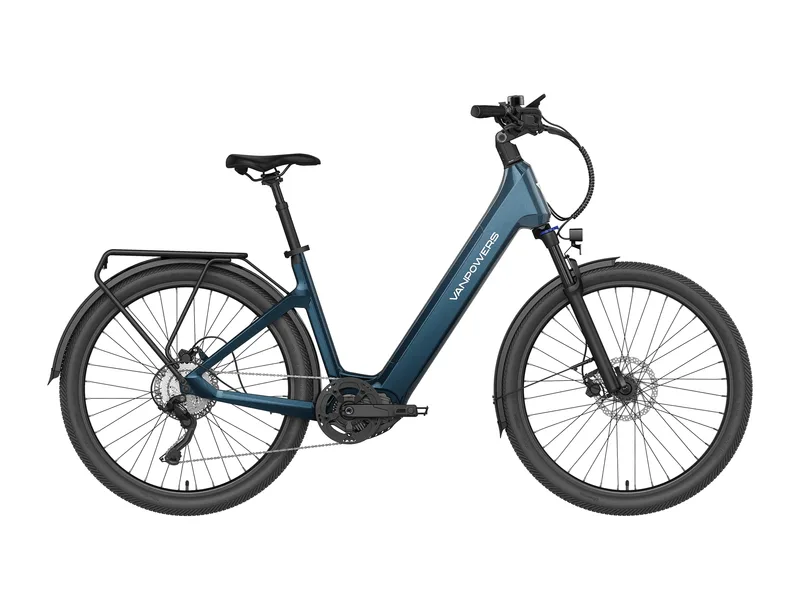
Best Overall
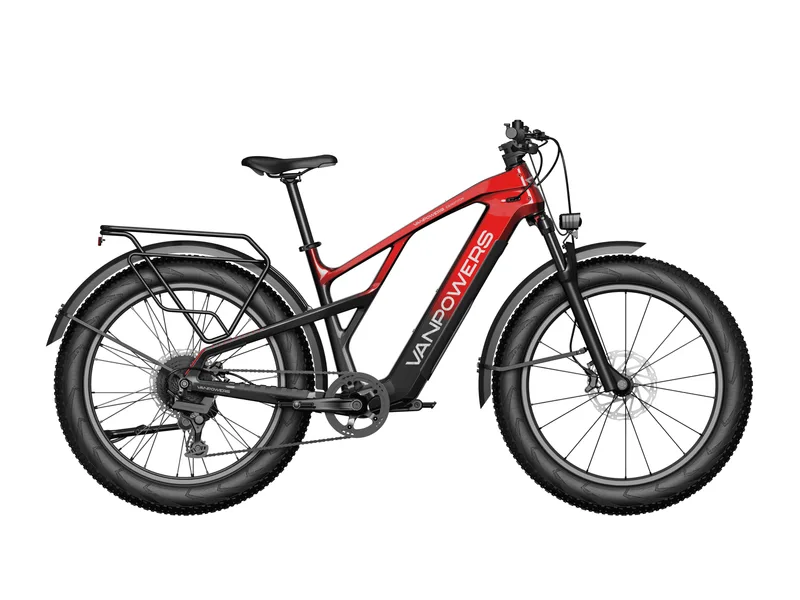
Vanpowers UrbanGlide-Ultra
Bafang M600 mid-drive, 120 Nm · 692 Wh (48V 14.4Ah) · 20 mph
$3,599Ebike reviews built from real owner feedback, side-by-side comparisons and buying guides for commuting, hunting, long range and more.
Bafang M600 mid-drive, 120 Nm · 692 Wh (48V 14.4Ah) · 20 mph
$3,599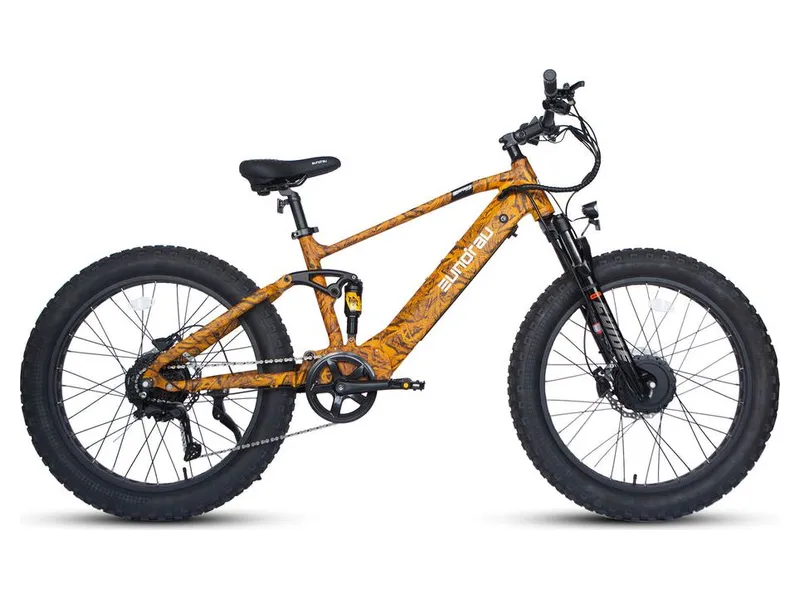
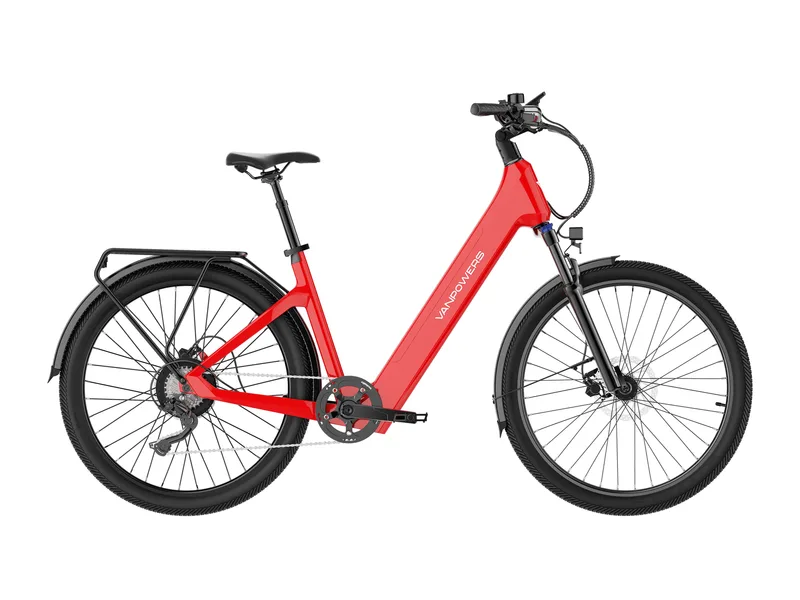
500 W rear hub, 65 Nm · 692 Wh (48V 14.4Ah) · 23 mph
$2,899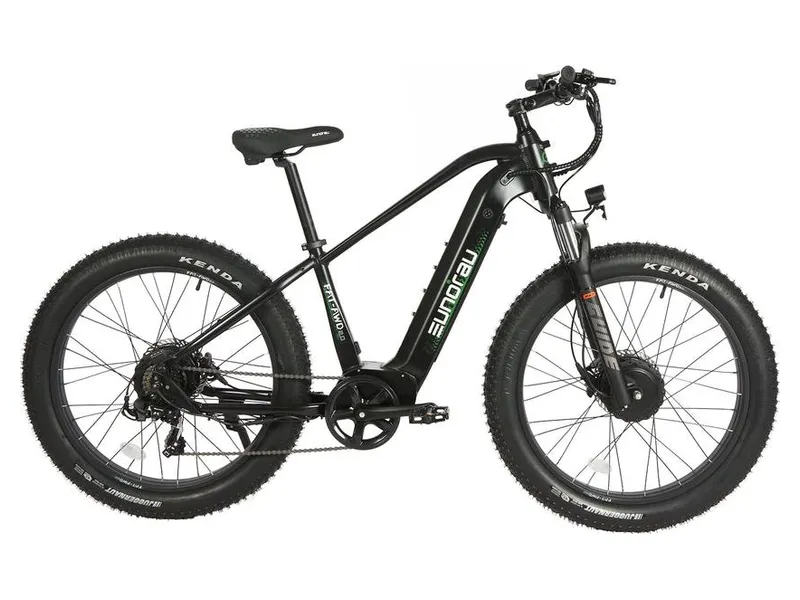
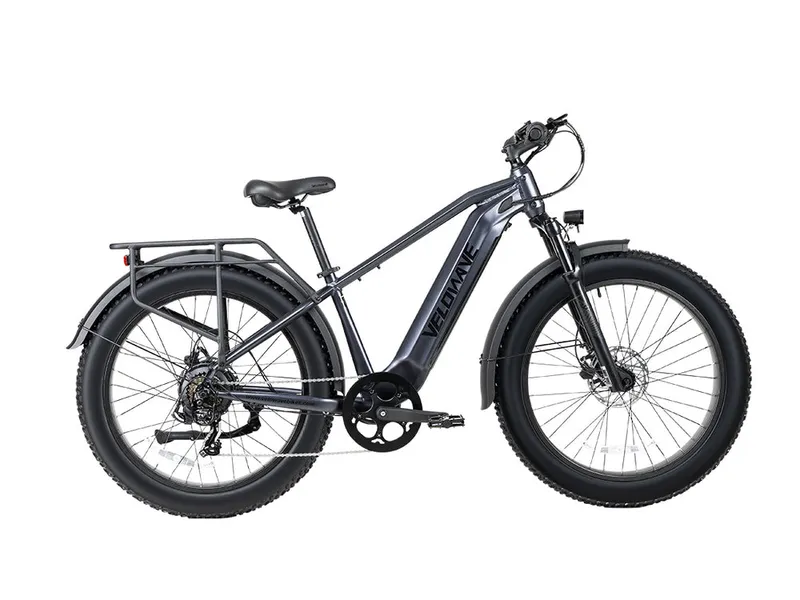
750 W rear hub, 85 Nm · 705.6 Wh (48V 14.7Ah) · 28 mph
$3,099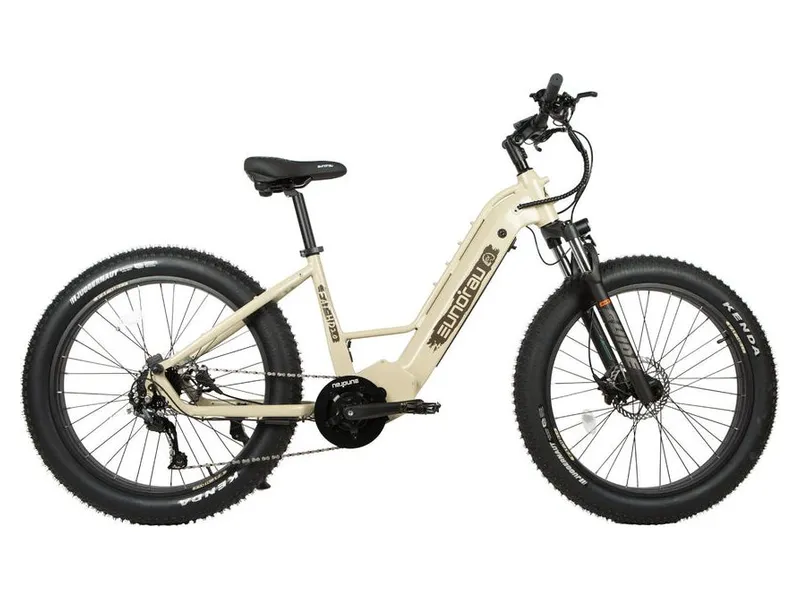
Bafang 1,000 W mid-drive · 720 Wh (48V 15Ah) · Front fork
$2,039Answer 4 quick questions and get your ideal class, tires, battery size and brands to compare.
We compared Vanpowers' UrbanGlide, GrandTeton and Cycanon ebikes using official specs, independent tests and the warranty and return terms.
Top pick: Vanpowers UrbanGlide-Ultra
We compared Eunorau's dual-motor, mid-drive and cargo ebikes, plus independent test results, warranty and return terms, to find which model is worth buying.
Top pick: Eunorau Defender S 2.0
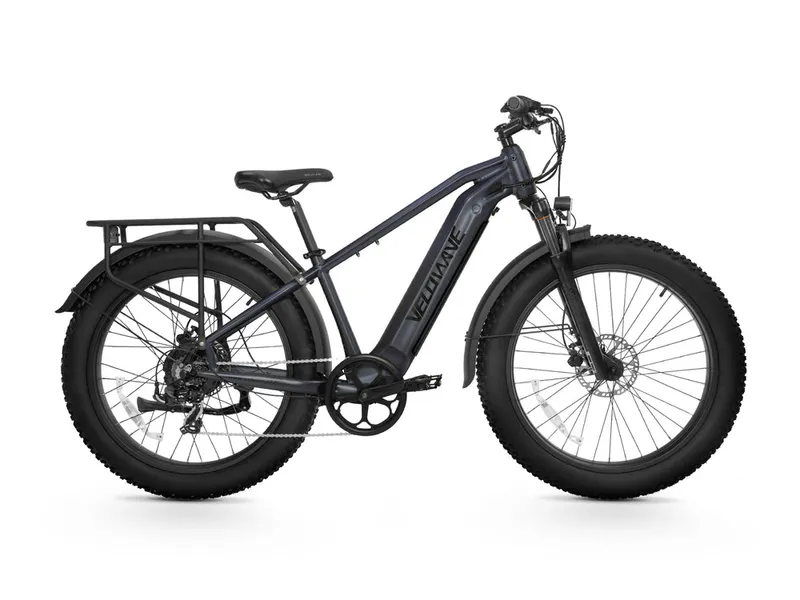
Is Velowave a good ebike brand? We compared the full 2026 lineup, warranty and return terms, and independent reviews to find which model is worth it.
Top pick: Velowave Ranger 3.0
In the U.S., Class 1 ebikes give pedal assist up to 20 mph, Class 2 add a throttle up to 20 mph, and Class 3 assist up to 28 mph. The class decides where you can ride, so start here. Our Ebike Classes Explained guide covers the rules. In the UK and EU the rules are stricter: an ebike counts as a bicycle only if the motor is rated at 250 W or less and stops assisting at 25 km/h (15.5 mph in the UK). Faster or throttle-heavy models are usually treated as mopeds there, so buy from the brand’s UK or EU store and check the bike is road-legal where you live.
Battery capacity is measured in watt-hours (Wh = volts × amp-hours). A useful rule of thumb is about 20 Wh per mile with moderate pedal assist and closer to 28 Wh per mile on the throttle. A 720 Wh battery is a solid all-round size; go bigger if you ride long distances or mostly use the throttle.
A cadence sensor turns the motor on when the pedals spin, which can feel on/off. A torque sensor measures how hard you pedal and matches the motor to your effort, so it feels smoother and more natural, especially on hills. If you mostly ride on the throttle, the difference matters less.
Four-inch fat tires handle sand, snow and gravel; narrower 2–2.4 inch tires roll faster on pavement. Step-through frames are easier to get on and off. Many budget ebikes weigh 60–85 lb, which matters if you need to carry the bike up stairs or lift it onto a rack.
Look for hydraulic disc brakes and UL 2849 certification for the electrical system. Most value ebikes are sold online, so read the warranty and return policy before you buy: some brands charge return shipping or restocking fees once a bike has been ridden. Not sure where to start? Try the 30-second Ebike Finder.
Direct-to-consumer ebikes with a battery around 700 Wh and hydraulic disc brakes typically sell for roughly $1,000 to $2,000. Bikes from bike-shop brands with premium motors and components often cost $2,500 or more. Seasonal sales can cut a few hundred dollars off.
Divide the battery capacity in watt-hours by about 20 for a rough estimate with moderate pedal assist. A 720 Wh battery gives roughly 30 to 40 miles of mixed riding. Brand range claims are usually measured with a light rider on flat ground in the lowest assist level, so expect less with hills, cold weather or heavy throttle use.
For most riders who pedal, yes. A torque sensor delivers power in proportion to your effort, which feels smoother and more natural than a cadence sensor and usually makes hills easier to manage. If you mostly ride on the throttle, a cadence-sensor bike can save money.
UL 2849 is a safety standard for an ebike’s electrical system, including the battery, charger and motor system, designed to reduce fire and electrical hazards. Some cities, including New York City, require it for ebikes sold there.
In most U.S. states, Class 1, 2 and 3 ebikes do not need a license or registration, though some states set age limits or helmet rules for Class 3. Bikes that exceed Class 3 limits may be treated as mopeds. Check your state and local rules.
Often not on public roads. In the UK and EU an ebike is treated as a bicycle only if its motor is rated at 250 W or less and assistance cuts out at 25 km/h (15.5 mph in the UK); throttles are also restricted. Many U.S. models with 750 W motors or 28 mph assist count as mopeds there and need registration and insurance. Buy from a brand’s UK or EU store, where models are sold to local rules, and check your country’s regulations.